Efficient Bed Bug Control Techniques: Your Definitive Guide to a Pest-Resistant Home
Proper bed bug treatment demands a methodical approach. Residents should start by recognizing the indicators of an infestation, like brown-tinted stains and discarded skins. Understanding the bed bug life cycle is critical for effective management. While DIY approaches can offer short-term improvement, understanding when to seek professional experts remains just as essential. The ideal strategies can produce a pest-free environment, but what steps should be emphasized to achieve the greatest success?
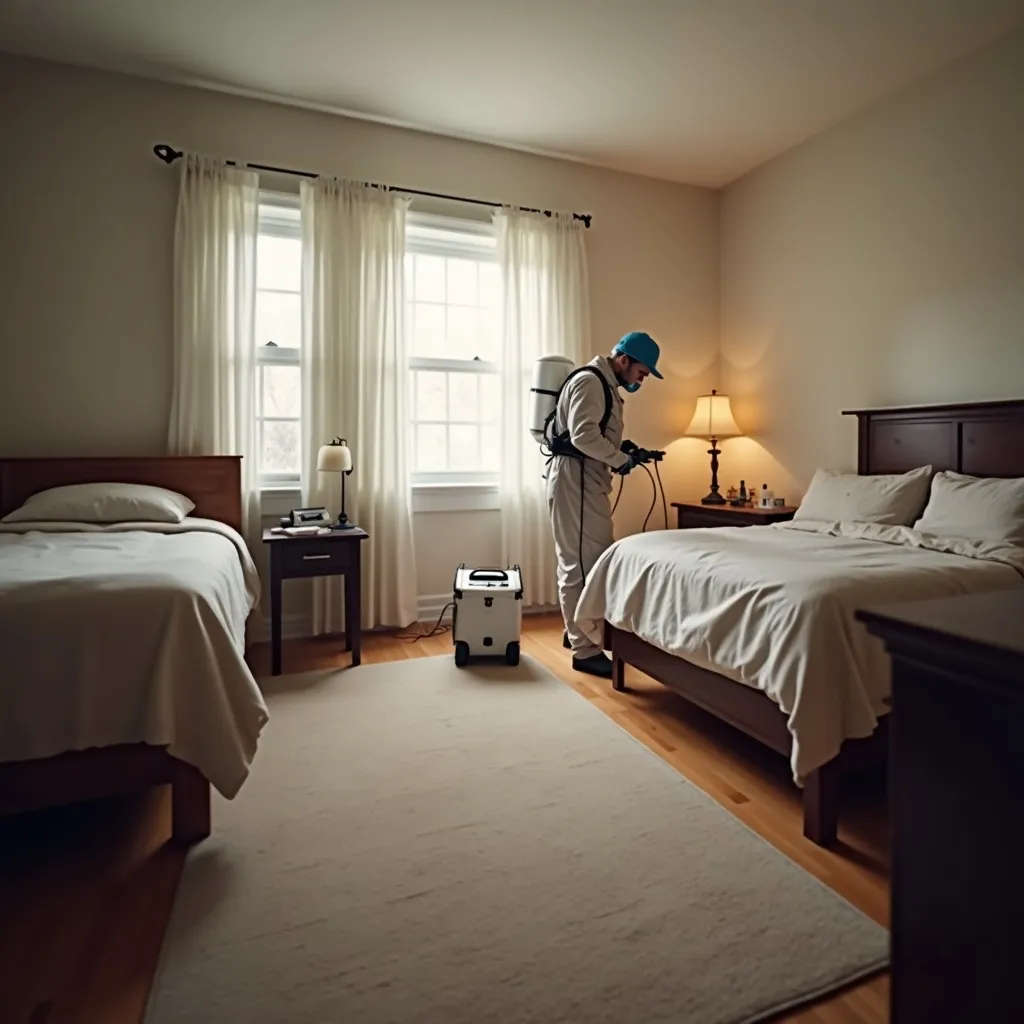
How to Pinpoint Bed Bug Infestations: Critical Clues to Notice
Identifying bed bug infestations requires sharp observation of distinct signs. Small, rust-colored stains on sheets and mattresses, often from crushed bed bugs, are among the most apparent indicators. Additionally, tiny, white eggs and shed skins may be found in crevices, signaling an established population. Dark spots of excrement are often left behind by bed bugs and can be observed on bedding, furniture, or walls. A stale odor may also come from heavily infested areas, suggesting a bigger problem. Individuals inspecting should look at mattress seams, box springs, and furniture joints where bed bugs often conceal themselves. Additionally, unexplained bites clustered or lined on the skin may be another clear sign of infestation. Quick detection is necessary for effective treatment, highlighting the need for homeowners to be aware of these signs.
Understanding the Bed Bug Life Cycle: Why It Matters for Treatment
Understanding the bed bug life helpful resource cycle is critical for deploying potent treatment strategies, as each stage introduces unique challenges. Bed bugs undergo five nymphal stages before becoming maturity, requiring a blood meal at each stage to advance. The entire development cycle, from egg to adult, can take as little as six weeks under ideal conditions. This rapid breeding means that infestations can intensify quickly if not resolved promptly.
Adult bed bugs can survive for many months without eating, hampering elimination attempts. Understanding of this lifecycle helps in scheduling interventions effectively, as interventions must target both adults and nymphs. Additionally, recognizing how egg clusters can conceal in tiny crevices stresses the importance of thorough inspections and extensive treatment approaches. By aligning treatment strategies with the lifecycle of bed bugs, homeowners and pest control professionals can enhance the probability of achieving a bug-free home.
DIY Insect Removal Strategies: What You Must Discover
How can property owners successfully combat bed bug infestations using DIY methods? First, comprehensive cleaning is essential; washing bedding and clothing in hot water and drying on high heat can eliminate many bugs and eggs. Vacuuming furniture, carpets, and crevices helps remove visible pests and debris. Property owners should dispose of the vacuum bag immediately to prevent re-infestation.
In addition, applying caulk to seal gaps and fissures can reduce hiding spots. Homemade devices, like placing a shallow dish filled with soap solution, can trap bed bugs as they attempt to cross. Natural oils including tea tree or lavender might repel bed bugs with careful application, but their potency is variable.
In conclusion, applying diatomaceous earth in infested areas can assist by drying out the bugs. While these methods can be beneficial, dedication and meticulousness are critical to achieving permanent results in managing bed bug infestations.
What Time Ought You Reach Out for Professional Services With Bed Bugs?
Despite the effectiveness of various DIY methods for controlling bed bug problems, there are circumstances where expert assistance becomes required. If individuals find that their attempts have not produced outcomes after several weeks, it may suggest a more serious problem that demands professional care. Additionally, if the problem has spread beyond the bedroom to different spaces of the home, such as living rooms or hallways, expert assistance is highly recommended.
Additionally, those managing extensive pest problems or who have wellness issues—such as allergies or respiratory issues—should think about calling pest control experts. Specialists possess specialized knowledge and connection with more effective treatment options that are not obtainable by the regular homeowner. Finally, if there are fears about the potential for secondary infestations during the treatment period, it is prudent to pursue professional assistance to promise a detailed and productive fix.
How to Assess Bed Bug Treatment Products
What criteria should one keep in mind when reviewing bed bug treatment products? Success is essential; users should look for products that have verified effectiveness against bed bugs. It is necessary to review product labels and check for active ingredients known to eradicate these pests. Safety is also a major consideration, especially in households with children or pets. Low-toxicity options are more suitable. Ease of application also matters; products that are simple to apply can improve compliance and effectiveness. Additionally, consider the treatment’s longevity and whether it requires multiple applications. Finally, cost should be considered alongside the effectiveness and safety of the product. User reviews and professional recommendations can provide helpful information on the product's performance. By reviewing these aspects, individuals can make informed choices to guarantee a successful bed bug treatment experience.
Avoiding Future Infestations: Best Practices for Home Owners
Analyzing bed bug treatment products is only part of the effort; thwarting future infestations is equally important for homeowners. To support a pest-free environment, detailed checks of living spaces are essential. Homeowners should monitor for marks of bed bugs, such as shed skins or dark spots, especially around mattresses and furniture.
Putting defensive strategies into action is vital. Protective covers for mattresses and box springs can work as a wall, while regular vacuuming and steam cleaning can destroy potential hiding spots. Additionally, homeowners should be cautious when going away, checking suitcases and apparel upon return.
Reducing excess items also curtails bed bug harborage areas, making it easier to locate and treat any potential issues. Finally, fostering open communication with community members can facilitate in early detection, as bed bugs can spread between units in multi-family dwellings. By implementing these recommendations, homeowners can substantially minimize the risk of future infestations.
Frequently Commonly Posed Questions
Do Bed Bugs transmit Diseases to People?
Bed bugs fail to spread diseases to humans. Their bites can produce discomfort and allergic effects, but they are not established transmitters of harmful microorganisms that lead to health conditions, making them more a problem than a serious risk.
How Long Do Bed Bugs Survive Without a Host?
Bed bugs can persist without a host for close to 2-6 months, based on environmental conditions. Variables such as temperature and humidity have a significant effect on their period of existence during this time without food intake.
Are Bed Bugs Attracted to Particular Material Types?
Bed bugs prefer most natural fibers such as cotton and wool, which offer superior hiding locations and insulation. Synthetic materials, while not favored, can still house these invaders if conditions are favorable pest colonization.
Can Animals Carry Bed Bugs Into the House?
Yes, companion animals can inadvertently bring bed bugs into the home. These parasites may stick to fur or be carried in pet belongings, increasing the risk of infestation if proper safeguards aren't taken. Routine examinations are suggested.
How Ought to I Handle Pest-Ridden Clothing?
To address contaminated clothing, one should clean items in heated water and dry them on high temperature. Non-washable items may be sealed in plastic containers and refrigerated for several days to eliminate bed bugs.